
An Open Platform and Community for Clinical Skin Photographs
Everything we build is open: data, models, code and evaluation. Learn from real cases, contribute to the data and build models for common and rare skin diseases.
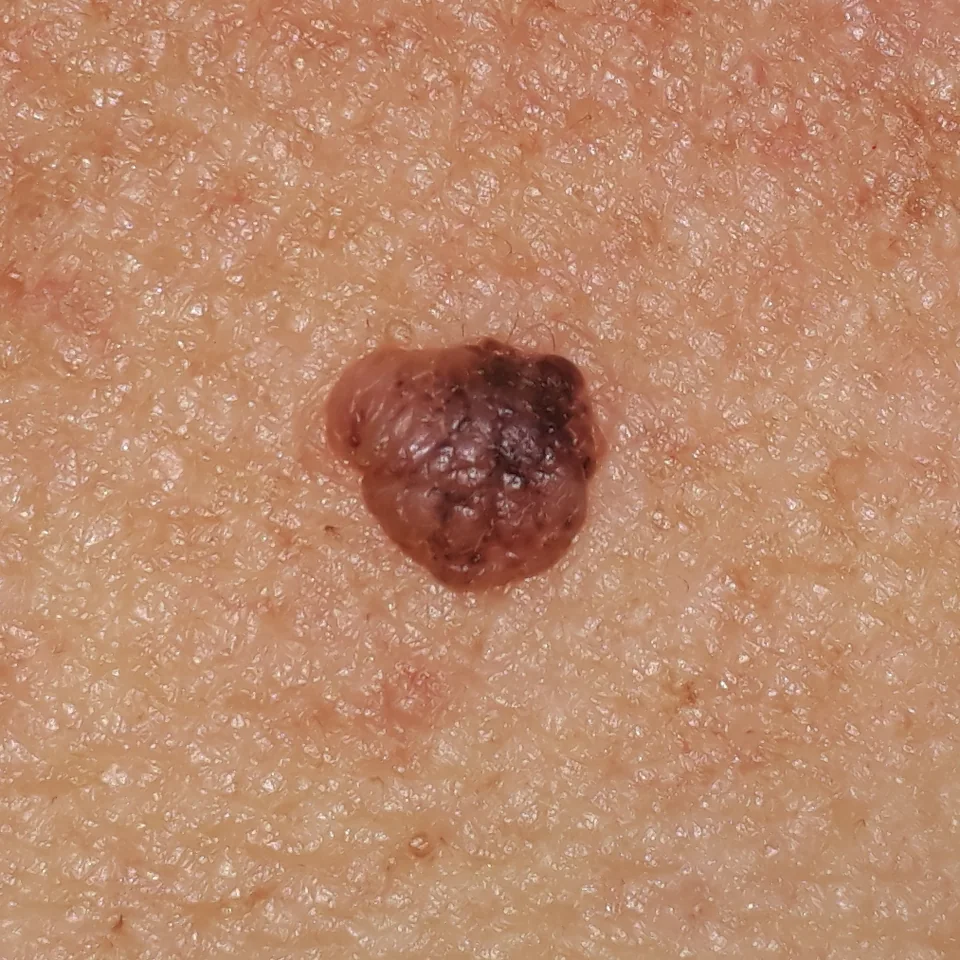
How SuperDerm Works
Four parts, each feeding the next.
Learn
Junior doctors and medical students practise on real cases with confirmed diagnoses.
Start LearningContribute
Clinicians share cases and annotate photos. Every contribution is reviewed and credited.
Ways to ContributeOpen Release
Reviewed data and models are released openly, in stages.
Get the DataEvaluate
Challenges test models on hard clinical questions. What they miss becomes new teaching.
See Challenges
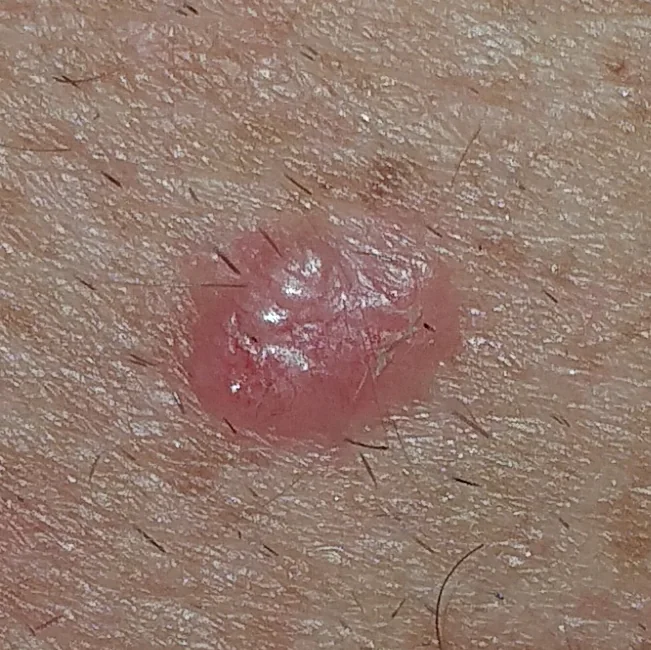
Built by the Community
A case documented by one clinical team can help another, far from specialist care, think of a diagnosis it might otherwise miss.
- Annotate PhotosOutline findings on clinical photographs, after a short training.
- Share a CaseOne documented case helps, a rare one most of all.
- Propose a Clinical QuestionName diseases that are hard to tell apart. Good questions become challenges.
- Share a DatasetWhole collections, checked row by row before import.
- Share a Model or ToolList your work here; it stays in your own repository.
Open data. Open models. Open evaluation.
Everything is released openly, in stages, with credit to everyone who contributed.
Data
Public datasets first, then the full SuperDerm collection.
Release PlanModels
The SuperDerm VLM and the full system will be open-sourced. Final versions are in training.
ModelsCode
This platform, the scorer and the model code.
RepositoryEvaluation
A published scoring protocol and a scorer anyone can rerun.
Scoring Protocol
- Clinical Photographs
- 424,526
- Diagnoses
- 214
- Public Datasets
- 40+
- Test Cases
- 7,667
Evaluate on Clinical Questions
Each challenge starts from a question clinicians find hard. Models answer without options and are scored by a published protocol.